
What happened
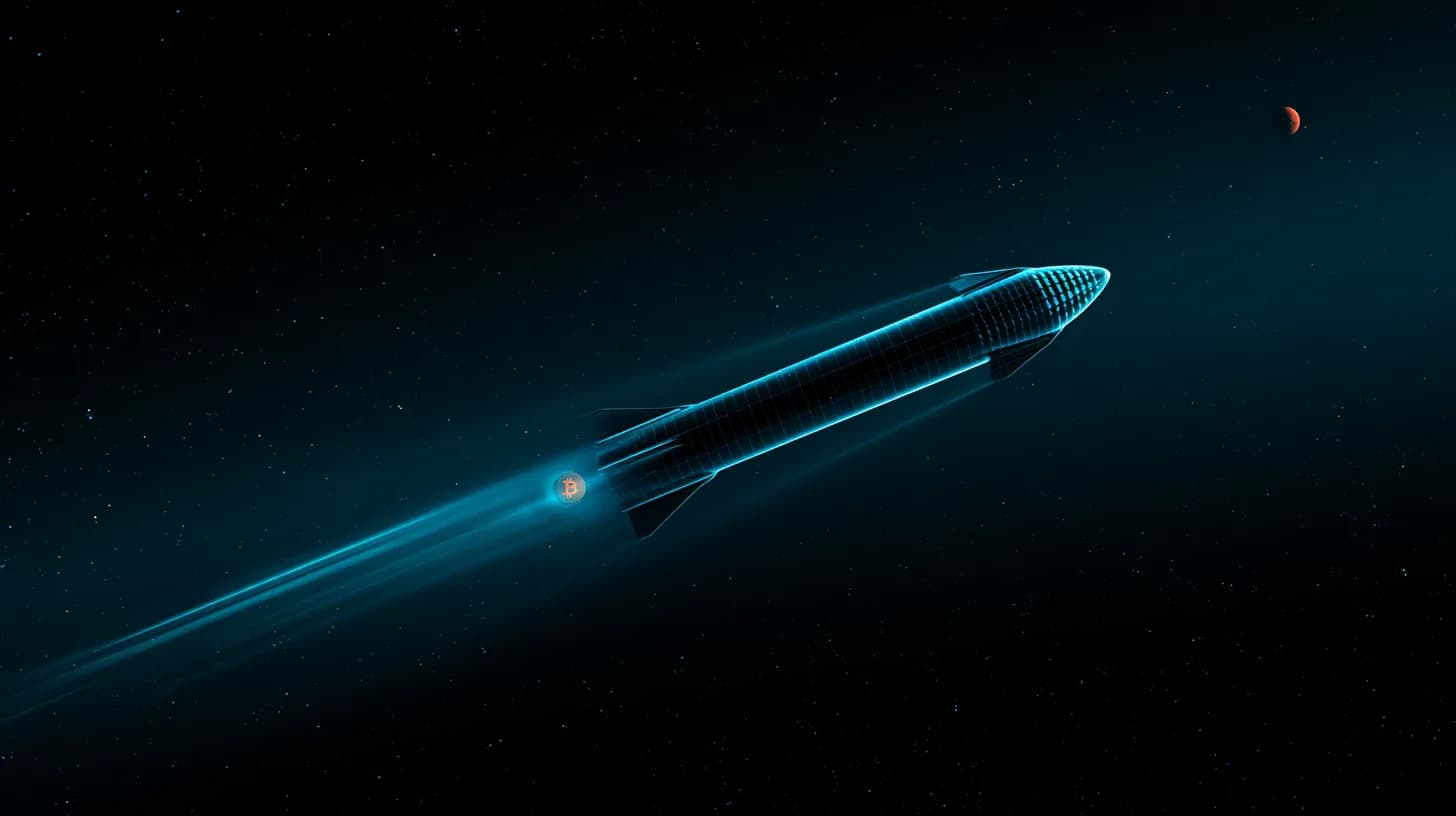
SpaceX added Chun Wang, the Chinese-born co-founder of bitcoin mining pool F2Pool, to the crew of its first crewed Mars flyby, BeInCrypto reported on Thursday. The mission is structured as a roughly two-year round trip that loops past Mars without landing, and it would carry its crew beyond the Earth-Moon system for the first time. Wang is not a passenger of convenience.
He is the same operator who bankrolled and commanded Fram2, the first crewed polar-orbit mission, which flew on a SpaceX Dragon in 2025. That flight made him one of the few private citizens with prior orbital experience before being tapped for a deep-space assignment. F2Pool, the pool he co-founded in 2013, remains one of the longest-running bitcoin mining operations and at various points has ranked among the top five pools by hashrate.
Why it matters
The headline reads like a stunt. The substance is narrower. Wang is being selected for a mission that, if it flies, becomes the deepest human spaceflight ever attempted, and the seat is going to someone whose wealth and operational background sit squarely in crypto.
That keeps the industry tethered to the same orbital-class private spending story it has been part of since the Inspiration4 flight in 2021. It also reinforces a pattern that matters editorially, not financially: when the cost of a deep-space seat lands in private hands, those hands have lately been mining or trading capital. None of that moves a token.
It does shape how regulators and mainstream press frame crypto-derived wealth in the next news cycle.